Product Description
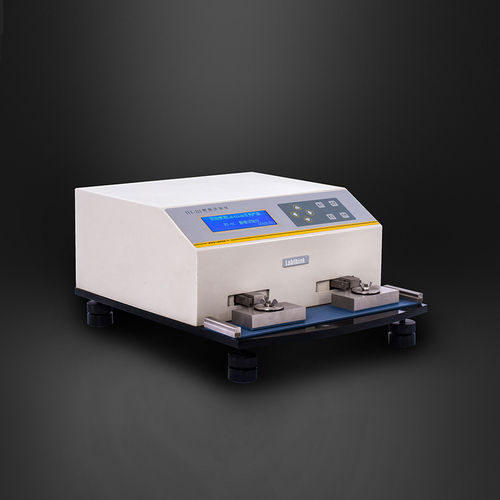
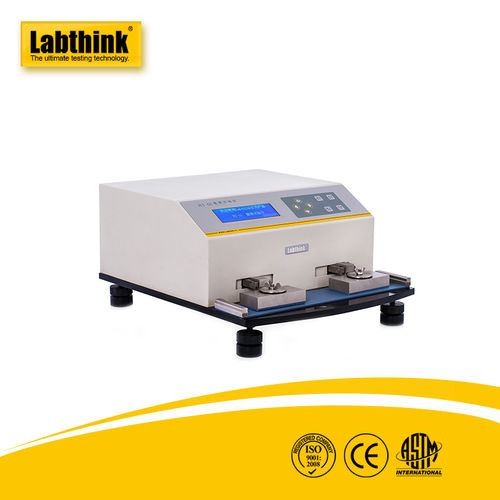
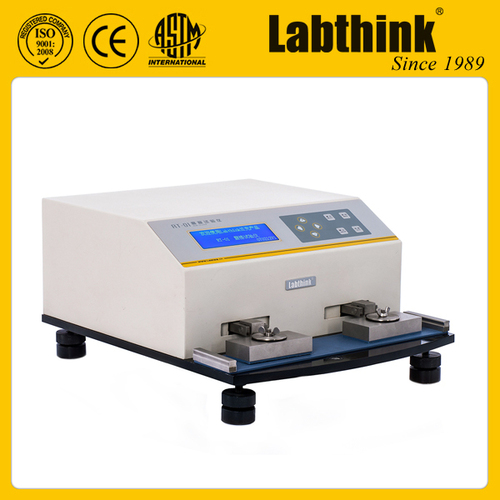
Features of Ink Rub Tester
- 4 test modes of dry rub, wet rub, wet transfer, and wet smear and 4 different test speeds to meet different test requirements
- Dual stations with arc movement structure can test equivalent or distinct specimens simultaneously
- Intelligent design of power failure memory and buzzer reminding ensure the safety of test operation
- The instrument is controlled by micro-computer, with PVC operation panel, LCD and menu interface, which is convenient for users to operate or view the test data
Testing Standards
This test instrument conforms to the standard: ASTM D5264, TAPPI T830
Testing Applications
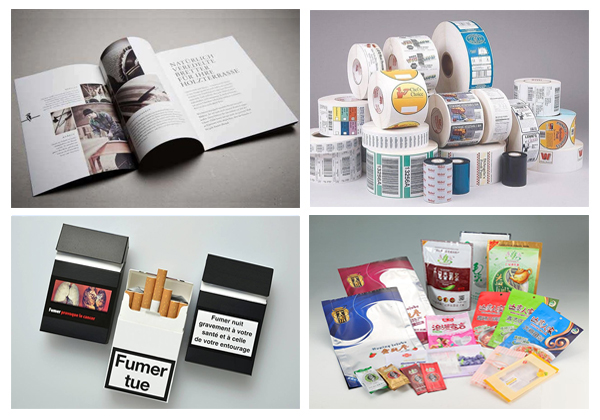
RT-01 Ink Rub Tester is applicable to the determination of abrasion resistance of:
| Basic Applications |
- Paper Printing Materials
Test the abrasion resistance of ink layers of printed materials and effectively analyze the problems of poor abrasion resistance and ink layer falling off
|
- Photosensitive Coating Layers
Test the abrasion resistance of photosensitive coating layers and effectively analyze the problems of lower printing force of PS boards.
|
Technical Specifications
| Specifications |
RT-01 Ink Rub Tester |
| Rub Pressure |
8.9 N(2lb); 17.8N(4lb) |
| Rub Speed |
21, 42, 85, 106 cpm |
| Rub Mode |
Arc Reciprocating Movement |
| Rub Times |
0 999999 |
| Number of Specimens |
1 2 |
| Power Supply |
220VAC 50Hz / 120VAC 60Hz |
| Instrument Dimension |
485 mm (L) x 390 mm (W) x 230 mm (H) |
| Net Weight |
40 kg |
Configurations
- Standard Configurations
- Instrument, 8.9N (2lb) Test Block, 17.8N (4lb) Test Block and Rubber Cushion
- Optional Parts
- Customized Test Block
Precise Abrasion Testing for Quality AssuranceThis abrasion resistance tester delivers reliable results for evaluating printed material durability. With high accuracy and responsive digital control, it is ideal for laboratories and industrial quality control settings. The machine supports various substrate types, ensuring versatile application for manufacturers and exporters.
Robust Construction and Easy OperationEngineered with powder-coated steel and stainless steel fixtures, the device guarantees long-term performance. Manual stroke adjustment, digital LCD display, and plug-and-play installation streamline the testing process for operators, while included safety functions safeguard personnel and samples throughout operation.
Comprehensive Support and Ready-to-Use PackageEach tester is supplied with compatible abrasion pads, calibration certificate, and a detailed user manual. Service support is provided on-site or remotely, and the machine is packed securely in a wooden box to ensure safe delivery. Its semi-automatic interface ensures both efficiency and flexibility in everyday laboratory usage.
FAQ's of ASTM D5264 Abrasion Resistance Tester of Printed Materials:
Q: How does the ASTM D5264 Abrasion Resistance Tester evaluate printed materials?
A: This instrument simulates repeat abrasion cycles on printed specimens to measure ink or coating durability. Adjusting pressure and stroke manually, it provides precise cycle counts via its digital LCD interface, helping determine the resistance of substrates to everyday wear.
Q: What types of samples can be tested using this abrasion resistance tester?
A: The tester accommodates up to two specimens at a time. It is suitable for paper and plastic materials, with maximum width of 50 mm and minimum length of 140 mm, making it versatile for various printed substrates.
Q: When is calibration required before using the tester?
A: Calibration is necessary before first-time operation and at recommended intervals for accurate results. Each device is shipped with a calibration certificate, ensuring readiness for immediate, reliable testing upon installation.
Q: Where should this abrasion resistance tester be installed?
A: The tester is designed for benchtop use in indoor, controlled environments such as laboratories, quality control areas, or industrial test booths where humidity and temperature are maintained within specified ranges.
Q: What is the process for conducting an abrasion resistance test with this machine?
A: Users mount specimens using the variable fixture, set stroke and contact pressure, then select test cycles. The digital control interface initiates the process, and the machine counts each cycle instantly, providing results with 1 cycle accuracy.
Q: How does the emergency stop and overload protection enhance safety during operation?
A: Emergency stop and overload protection features immediately halt operation to prevent machine damage or operator injury due to unexpected overloads, ensuring both user and component safety throughout testing.
Q: What are the key benefits of using this abrasion resistance tester for exporters and manufacturers?
A: The tester provides dependable, repeatable test results, facilitating compliance with quality standards and improving product reliability. Its semi-automatic features, robust construction, and comprehensive support streamline laboratory workflows for manufacturers and exporters in China and beyond.
 English
 Spanish
 French
 German
 Italian
 Chinese (Simplified)
 Japanese
 Korean
 Arabic
 Portuguese










 Send Inquiry



