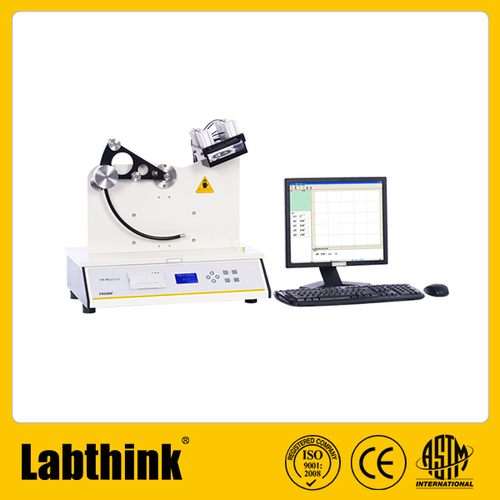
Product Description
Technical Specifications
- Impact Energy 1 J, 2 J, 3 J (Standard)
- Resolution 0.001 J
- Impact Head Size 25.4 mm, 19 mm, 12.7 mm (Customization is available)
- Specimen Clamp Diameter 89 mm, 60 mm
- Specimen Size 100 mm x 100 mm or 100 mm
- Gas Supply Pressure 0.6 MPa (outside of supply scope)
- Port Size 6 mm PU Tubing
- Instrument Dimension 600 mm (L) x 390 mm (W) x 600 mm (H)
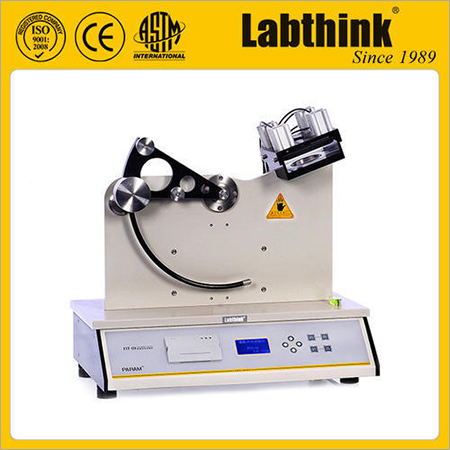
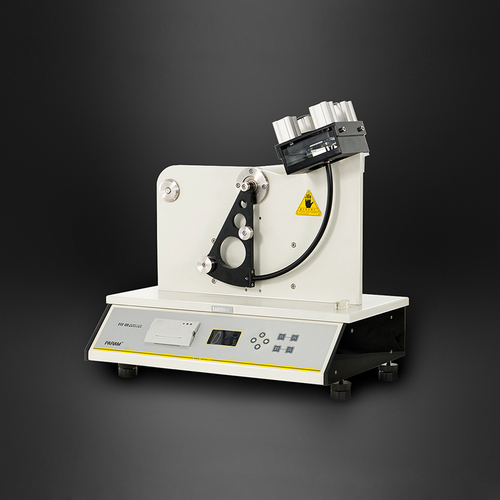
Robust Construction for Consistent PerformanceBuilt with a heavy cast iron base and powder-coated, corrosion-resistant surfaces, this impact test stand is designed for stability and longevity under rigorous laboratory and industrial use. The industrial-grade finish not only protects against wear and corrosion but also adds to the machines visual appeal, with customizable color options available to match your facilitys requirements.
Precision Testing Across Wide Energy RangesThe test stand covers a measuring range of 0-50 Joules with a high accuracy of 1% and a resolution of 0.1 Joule, accommodating a single specimen per test. Its manually controlled analog/dial display and instantaneous response time ensure reliable, easy-to-read measurements during materials testing.
Enhanced Safety and Easy CalibrationOperator safety is prioritized, featuring protective shielding and secure specimen clamping. The stand ships with a standard calibration certificate ensuring compliance with ASTM, ISO, and BS impact test standards. Easy calibration and adjustment allow for quick, trouble-free setup and ongoing maintenance.
FAQs of Pendulum Impact Test Stand:
Q: How is the specimen secured during a pendulum impact test using this stand?
A: The Pendulum Impact Test Stand utilizes a secure specimen clamping mechanism, ensuring the specimen remains firmly in place during testing to guarantee both operator safety and test accuracy.
Q: What are the safety features included with this impact test stand?
A: Safety is emphasized through robust protective shielding and secure clamping, minimizing the risk of injury or specimen ejection during the impact process.
Q: When should the calibration of the test stand be verified or adjusted?
A: Verification of the calibration should be performed periodically or after significant changes in use. The stand is supplied with a standard calibration certificate, and easy calibration features simplify routine checks.
Q: Where can this pendulum impact test stand be used?
A: This test stand is suitable for both laboratory and industrial environments, with environmental tolerances of 10C40C temperature and up to 85% relative humidity.
Q: What is the process for conducting a pendulum impact test on this equipment?
A: The process involves securely mounting the specimen, setting the pendulum to the initial 150 position, selecting the release mode (electromagnetic or mechanical), and recording the analog/dial readout of the energy absorbed by the specimen upon impact.
Q: What are the main benefits of using this particular pendulum impact test stand?
A: Key advantages include high measurement accuracy, robust construction for stable and repeatable results, compliance with international standards, instant readouts, and versatile operation in various laboratory or industrial setups.
Q: How does the test stand interface with operators and what control modes are available?
A: The stand operates through a mechanical/manual interface and features manual/analog control, allowing for straightforward operation with rapid test execution and results interpretation.
 English
 Spanish
 French
 German
 Italian
 Chinese (Simplified)
 Japanese
 Korean
 Arabic
 Portuguese








 Send Inquiry



