Product Description
Product Details:
|
Brand
|
Labthink
|
|
Model
|
XLW
|
|
Usage
|
Laboratory
|
Technical Specification
|
Specifications
|
XLW
|
|
Load Cell Capacity
|
500 N (standard) 30 N, 50 N, 100 N, 200 N (optional)
|
|
750 N, 1000 N (Customization Available)
|
|
Accuracy
|
1% FS
|
|
Test Speed
|
50, 100, 150, 200, 250, 300, 500 mm/min
|
|
Number of Specimens
|
1
|
|
Specimen Width
|
30 mm (Standard Grip)
|
|
50 mm (Optional Grip)
|
|
Clamping Way
|
Manual Specimen Clamp
|
|
Stroke
|
500 mm
|
|
Instrument Dimension
|
450 mm (L) x 450 mm (W) x 980 mm (H)
|
|
Power Supply
|
220VAC 50Hz / 120VAC 60Hz
|
|
Net Weight
|
65 kg
|
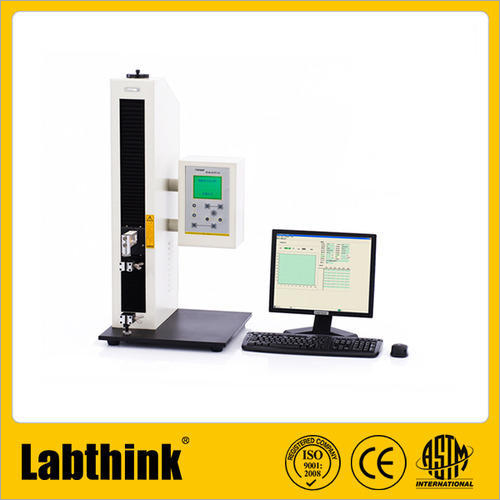
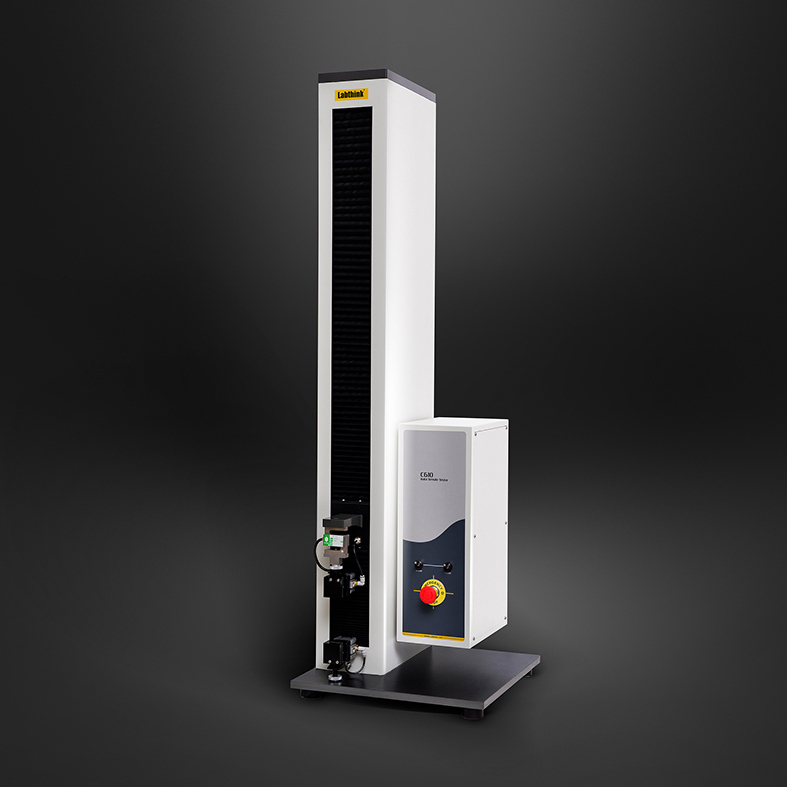
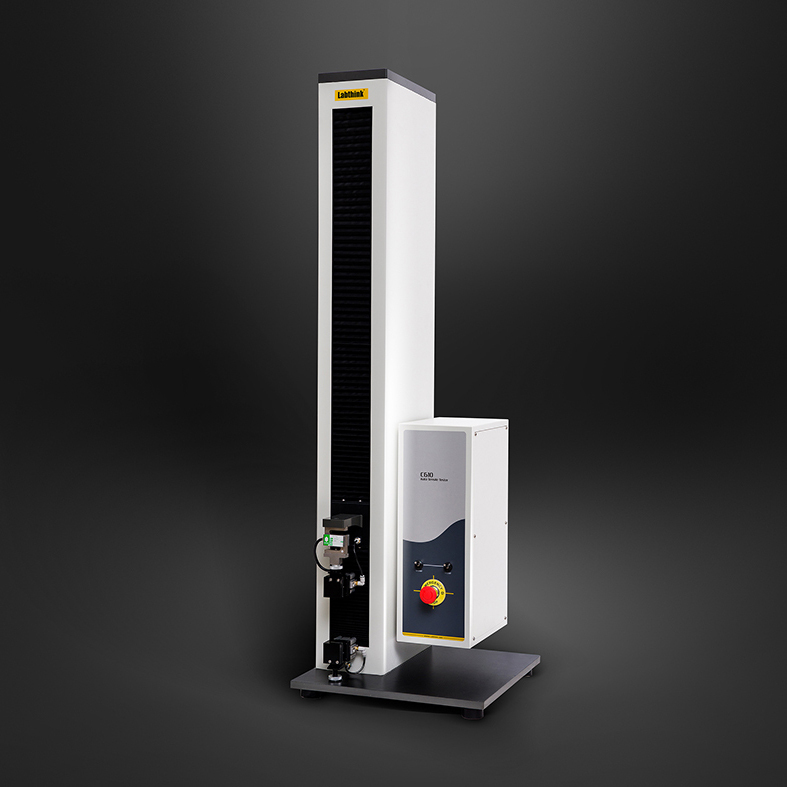
Engineered Precision for Protective Material TestingLeveraging advanced load sensing and high-resolution measurements, this tester allows users to ensure the quality and safety of gloves and technical fabrics. Its digital control modes and robust powder-coated body provide reliability and ease of use in various laboratory and industrial environments.
User-Friendly Interface and ConnectivityWith Windows-compatible software, fast data output options (RS232/USB), and a digital display, users can easily record, analyze, and share test results. The testers quick-lock mechanism ensures smooth specimen loading and secure clamping, enhancing operational efficiency.
Safety and Compliance AssuredFactory-calibrated and compliant with ASTM and ISO standards, the tester incorporates essential safety features such as emergency stop and overload detection. Its dust-free and well-ventilated operating requirements further safeguard users and ensure consistent, accurate results.
FAQs of Penetration Resistance Tester:
Q: How does the Penetration Resistance Tester operate?
A: The tester functions by clamping specimens using a quick-lock mechanism and applying a controlled force via a high-precision load cell. Test parameters are set digitally or manually, and results are displayed in real time. The device supports semi-automatic operation for user convenience.
Q: What types of materials can be evaluated using this tester?
A: This equipment is specifically designed to test the penetration resistance of protective materials, such as gloves and industry-specific fabrics. It is suitable for materials requiring compliance with ASTM and ISO standards.
Q: When should I use the Penetration Resistance Tester?
A: Use the tester when you need to assess the durability and safety of protective gear against penetration hazards, especially for quality control or certification purposes in industrial or laboratory environments.
Q: Where is this tester best utilized?
A: The tester is ideal for laboratories and industrial settings where controlled environmental conditionsdust-free, well-ventilated spacescan be maintained. Its bench-top design makes it suitable for various professional settings.
Q: What is the process for running a penetration test?
A: To run a test, load up to three specimens (80 mm x 80 mm each) using the quick-lock clamp, configure the required parameters, and start the tester. The load cell measures resistance as force is applied at a constant speed, and results are displayed digitally and can be output via PC or printer.
Q: How does the tester ensure user safety during operation?
A: Safety is enforced through features like an emergency stop button, overload detection, and requirements for dust-free, well-ventilated environments. These features help prevent accidents and ensure accurate, safe operation during testing.
Q: What are the main benefits of using this tester?
A: Key benefits include precise and reliable measurements, compliance with international standards, quick and secure specimen handling, robust and durable construction, versatile data output options, and comprehensive safety features, all contributing to higher productivity and data integrity.
 English
 Spanish
 French
 German
 Italian
 Chinese (Simplified)
 Japanese
 Korean
 Arabic
 Portuguese










 Send Inquiry



